


The recent cyberattack on Stryker deserves attention well beyond the security community. This was not simply another breach, and it does not fit neatly into the familiar ransomware narrative. It appears to have been a destructive attack with immediate operational consequences for a major global medical technology company.
Stryker disclosed on March 11, 2026 that it had experienced a cyberattack affecting portions of its network. By March 12, the company said the incident was disrupting order processing, manufacturing, and shipping, even as patient-related services and connected medical devices were reported as unaffected. Those facts alone make this a significant event. A cyber incident that interrupts core business operations at scale is no longer an IT matter.
It becomes an enterprise resilience issue.
Public reporting has linked the incident to Handala, a group widely described as Iran-linked. The wider geopolitical setting matters here. This incident is being reported not as ordinary criminal activity motivated by financial gain, but as part of a broader pattern of politically motivated cyber aggression tied to current regional conflict. That should change how boards interpret the event. It sits closer to sabotage than extortion.
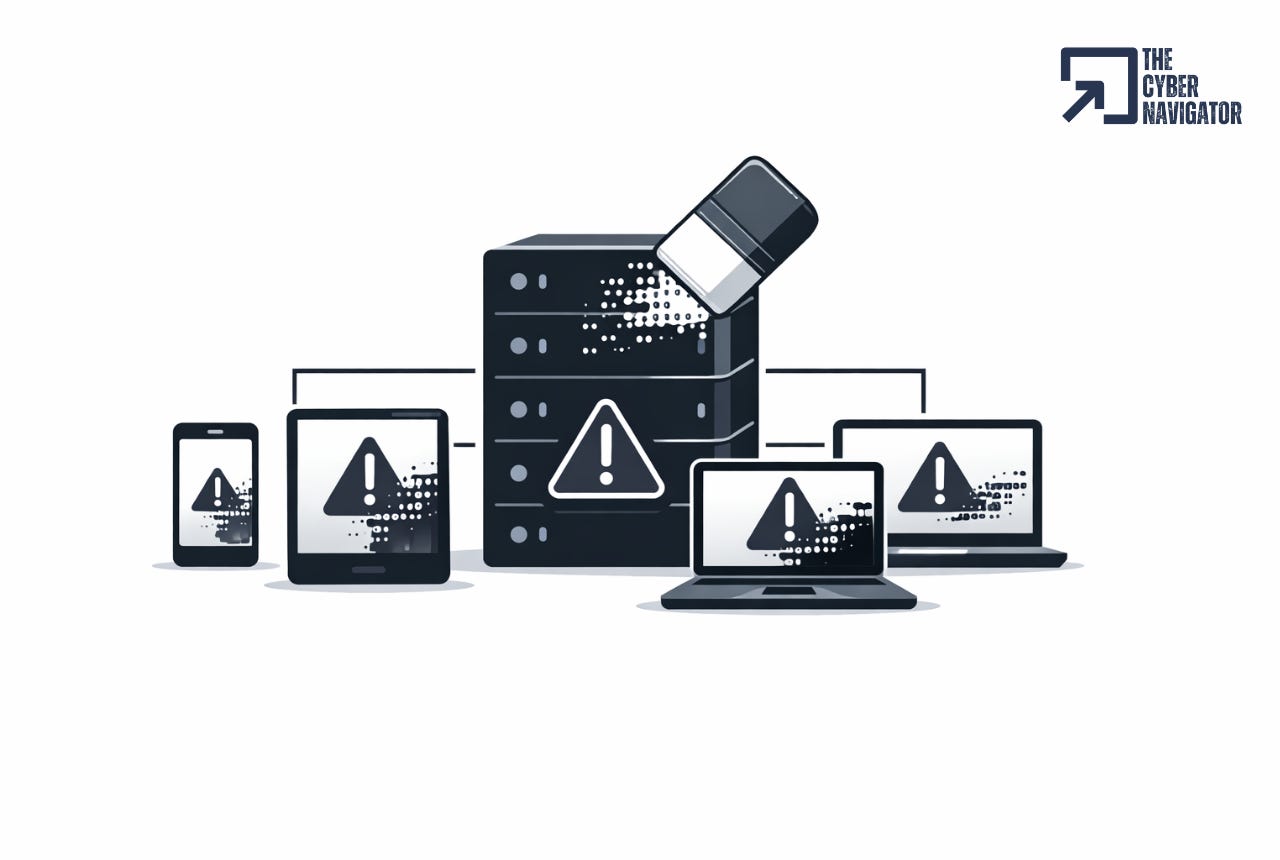
The technical lesson is as important as the geopolitical one. Early reporting indicates that this may have involved the abuse of enterprise management capability to disable or wipe systems at scale, rather than the deployment of conventional ransomware. Reuters reported that no ransomware was detected. Security reporting has pointed to the possible use of trusted administrative mechanisms to create enterprise-wide disruption. That distinction is critical. When attackers gain control of identity systems, endpoint management, or remote administration tooling, they may not need malware to cause major damage. They can use legitimate control planes to execute destructive actions quickly and broadly.
That changes the board conversation.
For years, many organizations have centered their preparedness around theft of data and encryption of systems. Those remain serious risks, but they are no longer the full picture. The more consequential question is whether an attacker can take over the mechanisms the company itself uses to manage trust, configure devices, and operate at scale. If the answer is yes, then the organization may face a rapid loss of operational control, not just a compromise of confidentiality.
That appears to be the central issue in the Stryker case. The disruption quickly affected the company’s ability to process orders, support manufacturing, and move product. That is a direct line from cyber compromise to business interruption. For a company serving healthcare markets, the stakes are especially high because operational disruption can affect customers, partners, supply chains, and public confidence all at once. Reuters also reported a negative market reaction after the incident became public.
There is also a sector-specific lesson. Medical technology and healthcare organizations occupy an uncomfortable position in the threat landscape. They are commercially important, operationally complex, highly connected, and close to services that society depends on. That makes them attractive targets for state-linked actors seeking leverage and visibility. AP has reported warnings from officials and researchers about wider Iranian cyber activity directed at American and other targets during the current conflict. Leaders in healthcare, industrial sectors, logistics, and other strategically important industries should assume that this risk is relevant to them.
Boards should take three messages from this incident.
First, destructive cyber risk is now a mainstream corporate risk. It is no longer confined to governments or critical national infrastructure.
Second, trusted enterprise control systems have become prime targets. Identity platforms, device management tooling, endpoint administration, and remote access systems now sit much closer to the center of enterprise risk than many governance models still reflect.
Third, resilience must be tested against loss of control, not just loss of data. It is not enough to ask whether backups exist. The more important question is whether the organization can recover safely and at scale if the normal administrative plane has been compromised and cannot be trusted.
That leads to a better set of board questions. Are high-impact administrative actions tightly restricted and independently monitored? Are destructive functions such as remote wipe or mass reconfiguration subject to stronger safeguards? Can the company rebuild endpoints and servers without depending on the same control systems that may have been used in the attack? Has management exercised a crisis scenario based on destructive disruption rather than ransom negotiation?
One note of caution is warranted. Some of the more dramatic figures circulating publicly about the Stryker incident appear to originate from attacker claims and have not been independently verified. Boards should be careful not to over-index on those numbers. The confirmed facts are already serious enough and provide more than enough basis for action.
The Stryker incident is important because it shows how cyber risk can become operational risk very quickly, especially when trusted enterprise control mechanisms are turned against the company itself.
That is why this event belongs on the board agenda.
It is not simply a story about one attack.
It is a warning about the kind of cyber failure that can materially disrupt a modern enterprise.